
Living Green
Practical guides to measuring and shrinking your footprint, at work and at home.
-
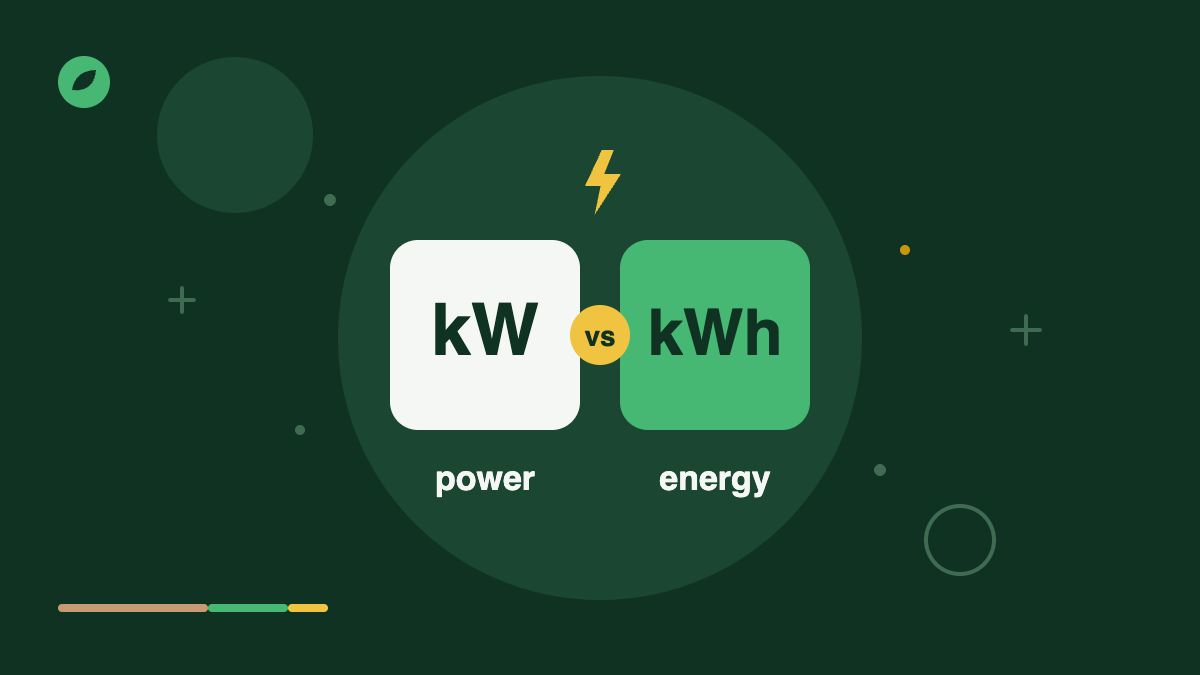
kW vs kWh: What Is the Difference? (2026 Guide)
A kW measures power; a kWh measures energy (1 kW for 1 hour). See the formula, conversions, appliance examples, cost per kWh and CO₂…
-

How Much Electricity Does a Wind Turbine Produce? (2026)
An average new US wind turbine (3.8 MW) produces about 11,300 MWh a year, enough for roughly 1,050 homes. See output per day, hour…
-
Electricity Cost by State per kWh (All 50 States, 2026)
US homes paid 16.48 cents per kWh in 2024 and 18.31 in July 2026. See electricity cost by state per kWh, from Hawaii to…
-
How Many kWh Does a House Use? 2026 Averages by State
The average US house uses 863 kWh a month, about 10,356 kWh a year or 28 kWh a day (EIA, 2024). See usage by…
-
How Many kWh to Charge a Tesla? (2026, by Model)
A full Tesla charge takes 79–140 kWh from the wall: about 79 kWh for a Standard Model 3/Y, 89 kWh Premium, 108 kWh Model…
-

Carbon Reporting Requirements for Small Businesses: Do You Have to Report? (2026)
Most small businesses are not legally required to report carbon emissions in 2026. See who is covered by CSRD, SECR and California SB 253,…
-

10 Practical Ways a Small Business Can Cut Its Carbon Footprint
Ten practical ways for a small business to cut its carbon footprint, from LED lighting and heating controls to fleet, travel and supplier choices.
-

Emission Factors Explained: Where Carbon Footprint Numbers Come From
An emission factor converts activity, like kWh or litres of fuel, into kg CO₂e. Learn where factors come from, why they differ by country…
-

What Is CO₂e? Carbon Dioxide Equivalent Explained
CO₂e, or carbon dioxide equivalent, is a single unit for comparing greenhouse gases by their warming effect. See how it is calculated, with examples.