by Claire Bennett | Oct 30, 2026 | Science
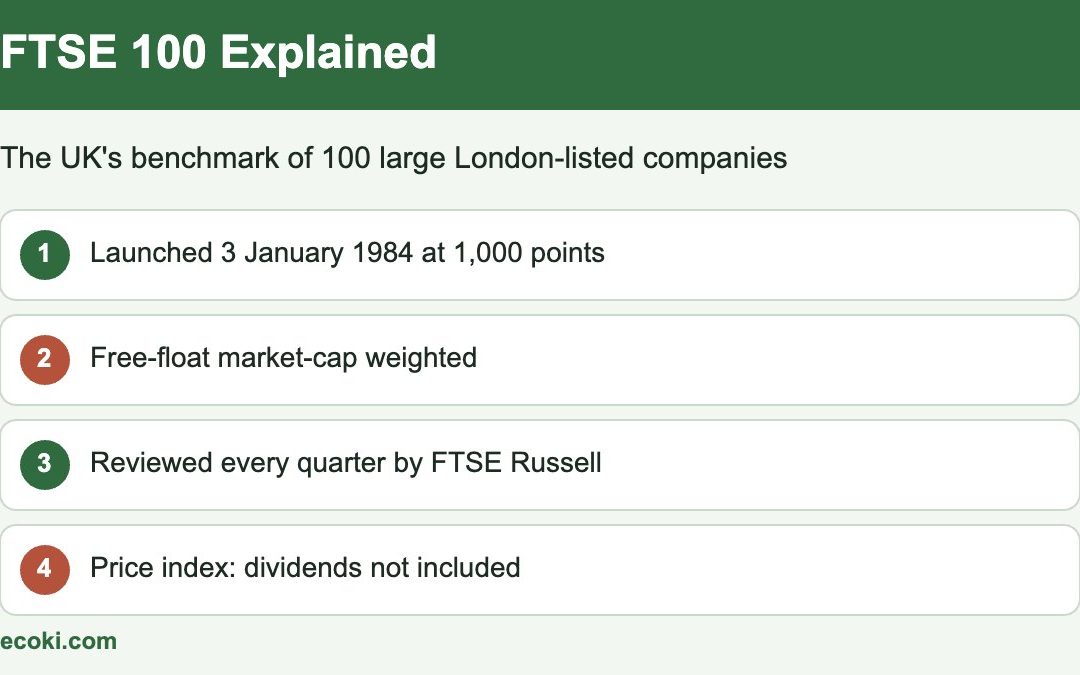
The FTSE 100 (pronounced “footsie”) is the UK’s best-known stock market index. It tracks the 100 largest companies by market value listed on the London Stock Exchange’s main market, such as AstraZeneca, Shell, HSBC, Unilever and BP. It was...
by Claire Bennett | Oct 30, 2026 | Science
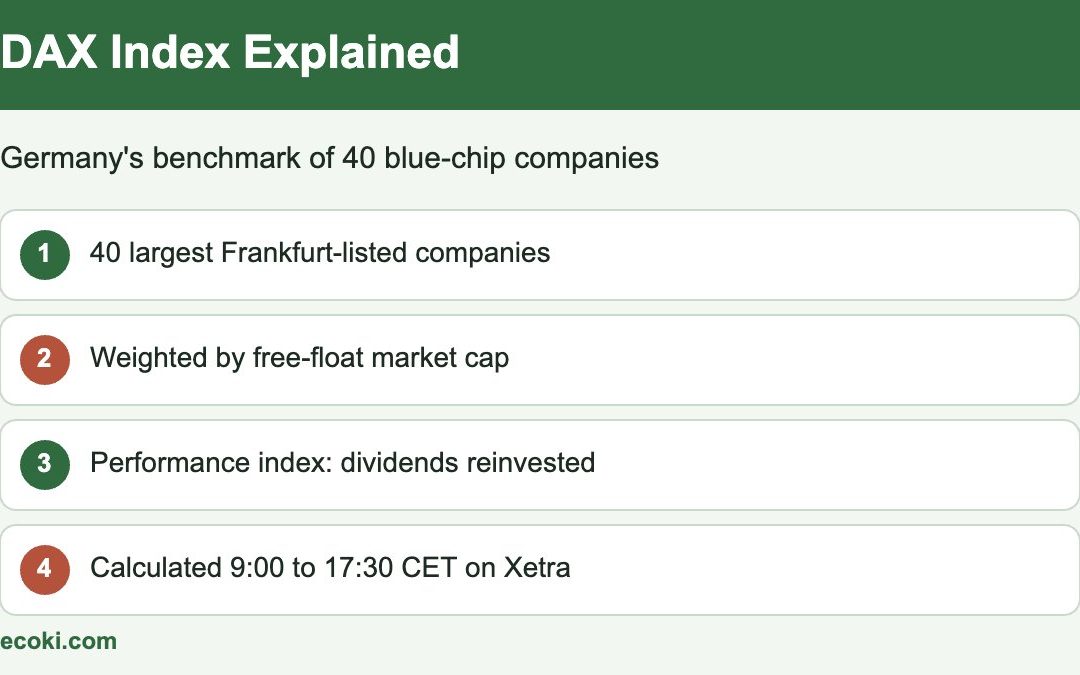
The DAX index (Deutscher Aktienindex) is Germany’s main stock market index. It tracks the 40 largest and most liquid companies listed on the Frankfurt Stock Exchange, such as SAP, Siemens, Allianz, Deutsche Telekom and Mercedes-Benz Group. It was first published...
by Claire Bennett | Oct 30, 2026 | Science
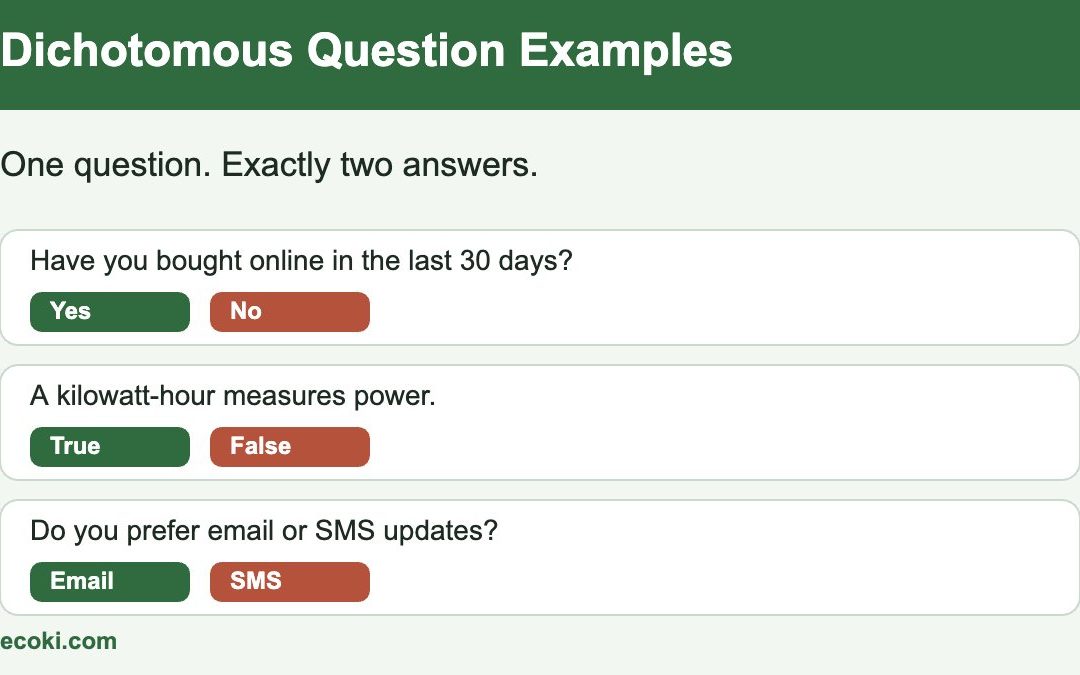
A dichotomous question is a closed-ended survey question with exactly two possible answers, such as Yes/No, True/False or Agree/Disagree. A classic example: “Have you bought a product online in the last 30 days?” (Yes / No). Use one when the answer really...

by Claire Bennett | Oct 3, 2026 | Living Green, Science
No. Natural gas is not a renewable energy source. It is a fossil fuel that formed over millions to hundreds of millions of years, and the supply in the ground is finite. The one exception is renewable natural gas (RNG) made from landfill and farm waste, which the EIA...
by Claire Bennett | Oct 3, 2026 | Living Green, Science
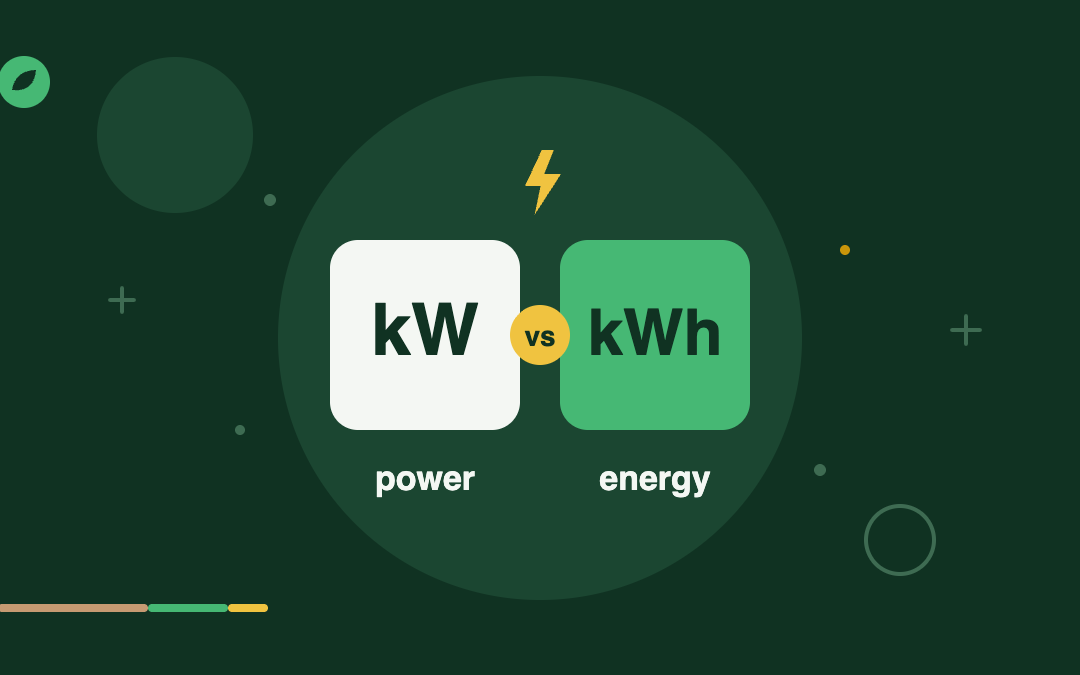
A kilowatt (kW) measures power, the rate at which electricity is used or produced at one moment. A kilowatt-hour (kWh) measures energy, the total amount used over time: 1 kWh is 1 kW running for 1 hour. Think of kW as speed and kWh as distance. Your utility bills you...
by Claire Bennett | Oct 3, 2026 | Living Green, Science
A typical new US land-based wind turbine (3.8 MW) produces about 11,300 megawatt-hours (MWh) of electricity a year, enough for roughly 1,050 average American homes. That works out to about 943 MWh a month, 31 MWh a day and 1.3 MWh an hour on average. The exact number...
